
Batteries make everyday life easier – but they also need to be handled correctly. Here you will find information about use, safety and how batteries should be recycled.
Recycle your batteries
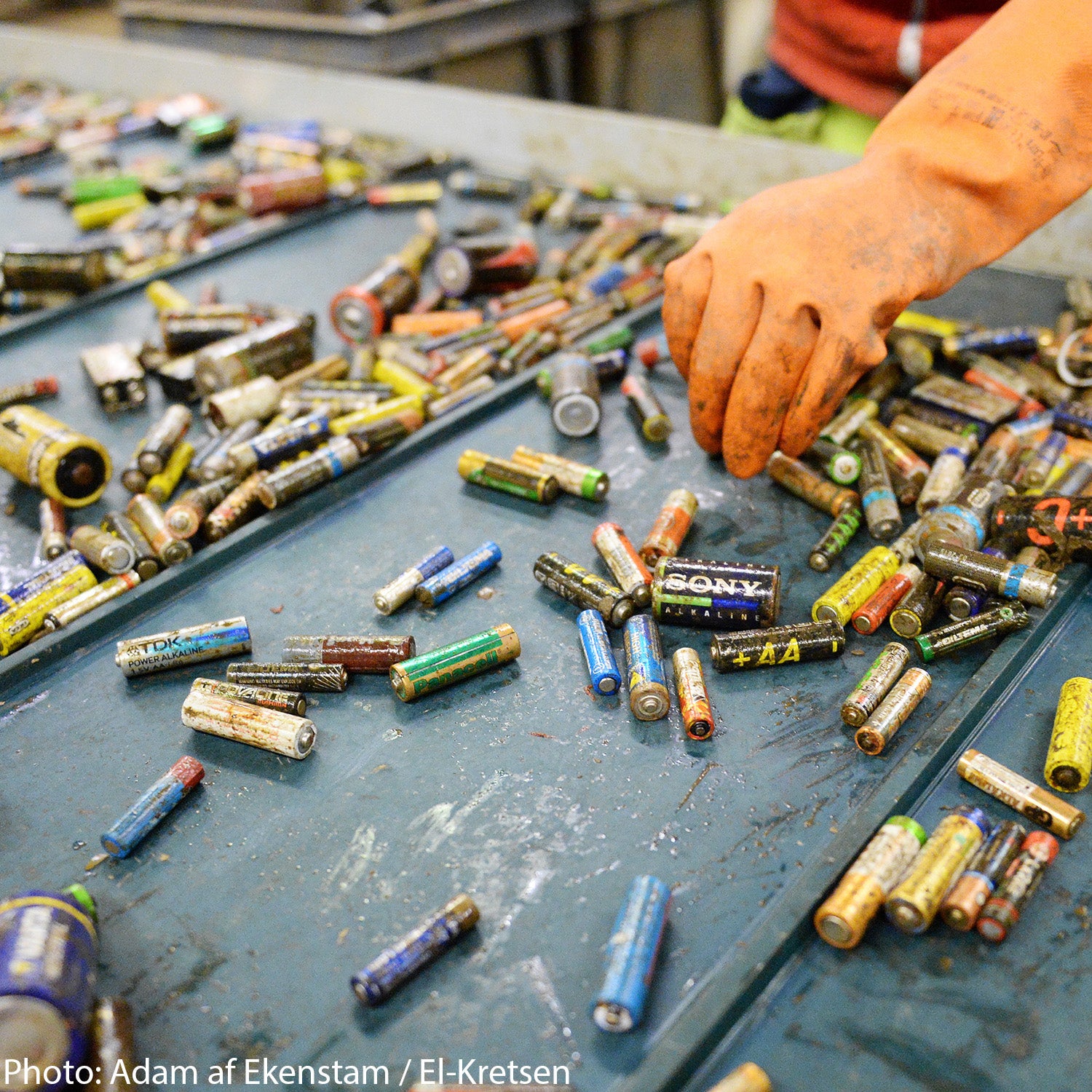
Batteries must not be disposed of with household waste. They contain materials that can be recycled and should not end up in nature.
Always return used batteries to a recycling station or a collection point in a store.
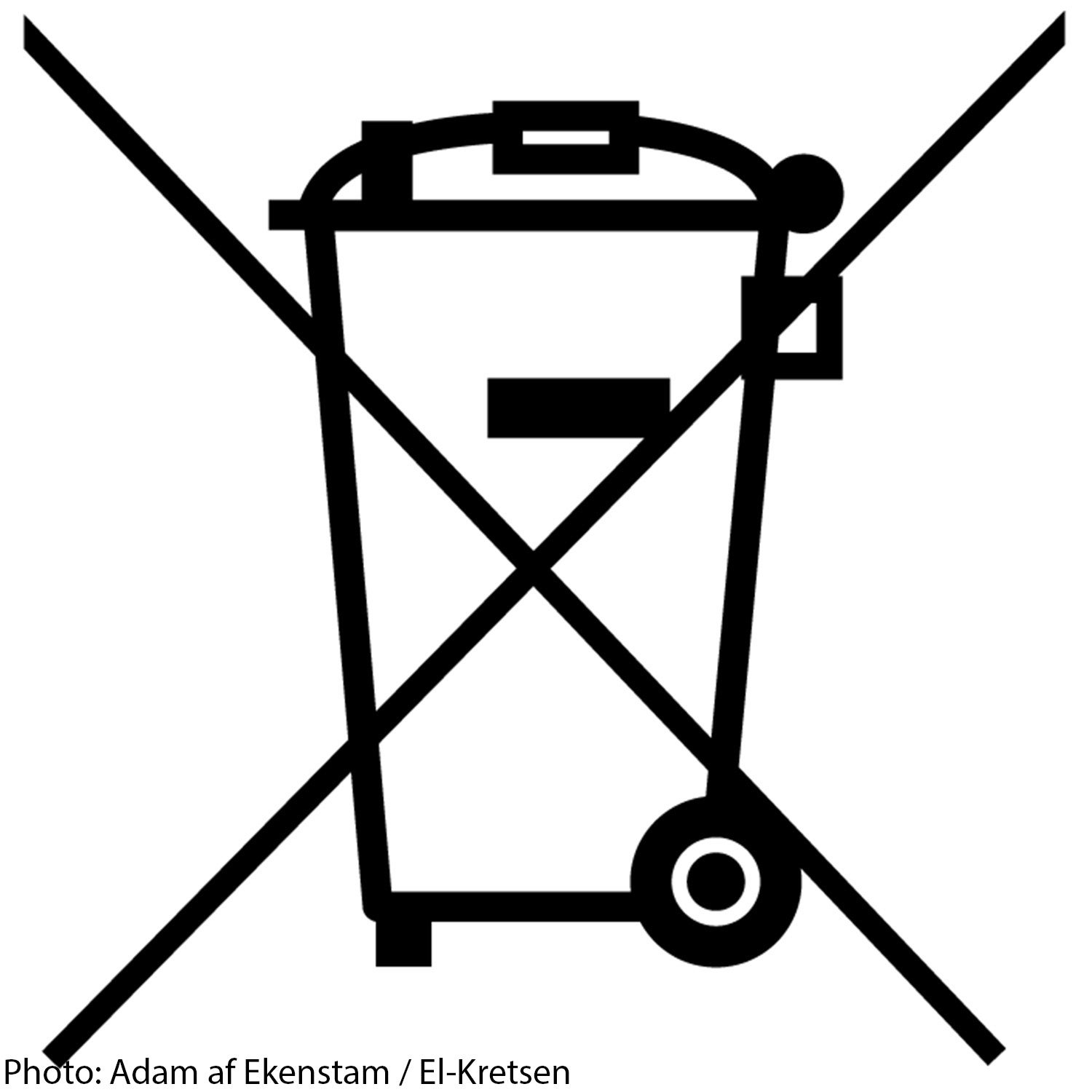
The symbol with the crossed-out wheeled bin indicates that the battery must be recycled separately.
As an importer, we are covered by producer responsibility and are connected to an approved collection system through El-Kretsen.
Safe use
To ensure batteries function optimally and are used safely:
• Do not mix old and new batteries
• Do not mix different types of batteries
• Store batteries in a cool, dry place
• Remove batteries from products that will not be used for a longer period
• Always dispose of used batteries through recycling
• Batteries must not be deformed, damaged, dismantled, opened or short-circuited.
• Do not expose the battery to heat, fire or any type of liquid.
• If a battery leaks, do not allow the liquid to come into contact with skin or eyes. In case of contact, rinse with plenty of water and seek medical attention.
For lithium batteries, it is recommended to tape the terminals before recycling.

Battery guide
Different batteries are designed for different types of products.
Alkaline batteries
Common single-use batteries suitable for products such as remote controls, toys and flashlights.
Lithium batteries
Have a longer lifespan and work well in products that are used frequently or in low temperatures.
Rechargeable batteries
Can be recharged hundreds of times and are a good option for products that are used often.
Always follow the product manufacturer’s recommendation when choosing a battery.
Producer responsibility
We import batteries to the Swedish market and are therefore subject to producer responsibility under applicable legislation, including the EU Battery Regulation (2023/1542).
This means, among other things, that we are responsible for ensuring that batteries are collected and recycled when they reach end of life.